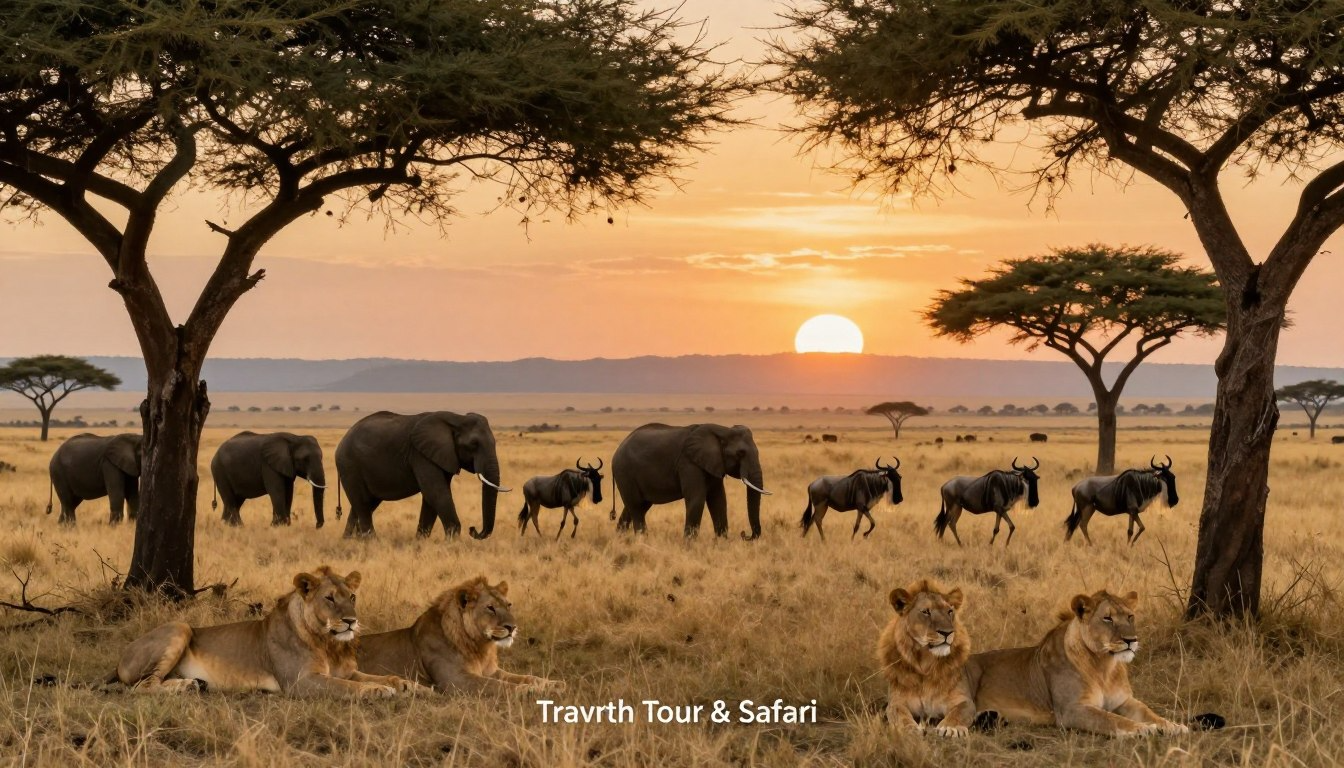
Have you ever wondered what it feels like to stand close to the wild? We invite you to explore a land where nature is untouched. Here, life follows ancient patterns. This East African gem offers an unparalleled connection to nature, unlike few places on Earth.
Our journey shows why this place is the premier choice for wildlife encounters. We look at the region’s logistics and ecological richness. This makes it the top adventure for travelers. Join us as we explore the vast plains and hidden sanctuaries of this global treasure.
Key Takeaways
- Tanzania provides an authentic and immersive experience for wildlife enthusiasts.
- The region boasts world-class biodiversity, supporting a vast array of species.
- Strategic planning ensures a seamless and rewarding journey through protected lands.
- Ecological conservation efforts maintain the integrity of these iconic habitats.
- Travelers gain a unique perspective on the delicate balance of the natural world.
The Allure of the Tanzanian Wilderness
The Tanzanian wilderness is wild, expansive, and deeply connected to nature. It protects nearly one-third of its land, keeping nature untouched. This creates a place where animals roam freely in ancient landscapes.
Geographic Diversity and Ecosystems
Tanzania has many environments, home to a wide range of species. From the golden, sun-drenched savannahs of the Serengeti to the lush highland forests, the landscape changes constantly. This variety makes Tanzania a top choice for wildlife tours africa.
The table below shows the main ecosystems and their features:
| Ecosystem Type | Key Terrain | Primary Wildlife |
| Savannah Plains | Open Grasslands | Big Five, Ungulates |
| Tropical Highlands | Dense Forests | Primates, Rare Birds |
| Volcanic Craters | Enclosed Basins | High-Density Populations |
Why Tanzania Stands Out in East Africa
Tanzania is different from its neighbors because of its scale and preservation. It has large, connected areas for animals to move freely. This is good for the animals and makes visiting better for everyone.
Tanzania is a top choice for travelers because of its commitment to conservation. It focuses on sustainable land management, offering a real connection to the wild. This makes Tanzania a world leader in wildlife tours africa.
Defining the Best Safari Tanzania Experience
The best safari Tanzania is a mix of expert guides and stunning nature. It needs top-notch field knowledge, great places to stay, and lots of wildlife.
Criteria for a World-Class Safari
A top safari depends on local staff expertise. Guides do more than drive; they understand animal behavior and know the land well.
Choosing the best safari Tanzania means picking those who care about the environment. This way, your visit helps protect the ecosystems, not harm them.
Balancing Adventure and Comfort
Finding the right mix of wild nature and comfort is key. Many prefer luxury tented camps for this reason.
These camps let you hear the wild while enjoying luxury. This balance makes your best safari Tanzania trip unforgettable, fitting your travel style.
Analyzing Animals in Tanzania Safari Encounters
Exploring the vast plains, we see that animals in tanzania safari encounters are the main attraction. Each game drive is a chance to see creatures in their natural home. It’s a unique experience, far from the confines of captivity.
Watching these species needs patience, respect, and a sharp eye for detail. It’s a special way to connect with nature.
The Big Five and Beyond
The term “Big Five” comes from big-game hunters. They saw these animals as the most challenging and dangerous to track. Today, it’s a thrilling checklist for wildlife lovers visiting the area.
These iconic species are the African lion, leopard, elephant, buffalo, and the elusive black rhinoceros. They are the stars of the safari.
But there’s more to see than just the Big Five. We also find giraffes, zebras, and wildebeests. They live alongside predators in a delicate balance.
Behavioral Observations in the Wild
Looking beyond just seeing animals, we dive into their social structures and survival strategies. Watching a lion pride hunt or an elephant herd protect its young is enlightening. These natural behaviors make a safari journey so rewarding.
Tracking these species needs expert knowledge of the terrain and seasonal patterns. Guides use their skills to find wildlife. This makes every trip an unforgettable educational experience for those interested in animals in tanzania safari habitats.
| Species | Primary Habitat | Social Structure | Key Behavior |
| African Lion | Savannah/Grasslands | Pride-based | Cooperative hunting |
| African Elephant | Woodlands/Savannah | Matriarchal herds | Complex communication |
| Black Rhino | Thicket/Bushland | Solitary | Highly territorial |
| Cape Buffalo | Wetlands/Savannah | Large herds | Defensive grouping |
The Great Migration as a Case Study
The Great Migration is a key event in the East African wilderness. It involves over 1.5 million wildebeest, plus zebras and gazelles. This massive movement is a key study in how wildlife adapts to the Serengeti’s seasons.
Tracking the Annual Movement
The wildebeest move in a loop, searching for food and water. Knowing the seasons helps plan visits to see the migration. Planning your visit is crucial to catch the best views.
| Season | Primary Location | Key Activity |
| Jan – March | Southern Serengeti | Calving season |
| April – June | Central/Western Corridor | The rut and movement north |
| July – October | Northern Serengeti/Mara River | River crossings |
| Nov – December | Return to the South | Migration back to plains |
The Ecological Significance of the Migration
The migration is crucial for the ecosystem. It prevents overgrazing and helps the grasslands grow back. It also feeds the predators.
The herds affect the numbers of lions, cheetahs, and hyenas. Without them, predators would have less to eat. The benefits include:
- Nutrient cycling: The herds spread nutrients across the plains.
- Predator support: The migration keeps big cat numbers high.
- Habitat maintenance: Grazing keeps the savannah open and healthy.
The Great Migration shows nature’s strength. It teaches us about the balance in the Tanzanian wilderness.
Wildlife Diversity in Serengeti National Park Tours
The Serengeti’s vast plains are awe-inspiring. Serengeti National Park tours take us into a world where nature is in charge. It’s a key place for many species, helping protect our planet.
The Endless Plains Ecosystem
The Serengeti’s varied habitats support a lot of wildlife. From grasslands to rocky kopjes, each spot is special for animals. These rocks are great for predators and safe for smaller animals.
“The Serengeti is not just a park; it is a living, breathing testament to the resilience of the natural world.”
The Serengeti’s diverse landscapes make Serengeti National Park tours so popular. The mix of forests and savannahs is a rich tapestry of life. Here’s a look at the main habitats in the park:
| Habitat Type | Key Features | Common Wildlife |
| Short Grass Plains | Open, nutrient-rich soil | Wildebeest, Gazelles |
| Riverine Forests | Dense canopy, water access | Leopards, Monkeys |
| Granite Kopjes | Rocky, elevated terrain | Lions, Rock Hyrax |
Birdlife and Smaller Mammals
While big predators get attention, the park is full of smaller animals and birds. Bird lovers often visit for rare birds and colorful ground birds. Every drive is a chance to see something new.
Small mammals like mongooses and rodents are vital. They keep insect numbers down and help the soil. We suggest that travelers explore the details of this amazing place.
Ngorongoro Conservation Area Wildlife Dynamics
The Ngorongoro Conservation Area is a perfect example of how animals and humans can live together. It’s a safe place for ngorongoro conservation area wildlife to exist. The area is shaped by ancient volcanoes and careful management today.
The Crater as a Natural Enclosure
The main attraction here is the huge caldera. It’s like a natural fortress for the animals inside. The steep walls keep the animals safe, so they don’t have to migrate far.
This special place is home to many animals. Visitors can see the rare black rhino here. The area has plenty of water and food, keeping the ngorongoro conservation area wildlife healthy all year.
Human-Wildlife Coexistence Models
Outside the crater, the highlands show a smart way to manage land. The Maasai people have lived here for a long time, showing how to live with animals. They have a sustainable model of living together.
This area is different because it’s not just a national park. It’s a place where people and animals share the land. The ngorongoro conservation area wildlife benefits from this. It shows that humans and nature can thrive together in the same space.
Predator and Prey Interactions in the Savannah
The balance of the Tanzanian wilderness depends on the dance between predators and prey. These interactions are key to the health of the savannah ecosystem. By watching these behaviors, we learn to appreciate the wild’s raw beauty.
“The wild is a place where every creature plays a vital role in the grand design of survival.”
Lion Prides and Hunting Strategies
Lions are special because they live in groups called prides. This setup helps them use cooperative hunting strategies to catch big prey like buffalo or zebra. We see them working together, with some members chasing the prey while others wait to ambush.
This teamwork ensures the pride gets enough food. It shows their intelligence and how they adapt to their environment. Strategic coordination is key to their success on the open plains.
Cheetahs and Leopards in Their Natural Habitat
Cheetahs and leopards don’t rely on group strength like lions do. Cheetahs are built for explosive speed, chasing down fast prey in short, intense runs. They look for vulnerable gazelles, using their speed to catch up.
Leopards, on the other hand, are experts at stealth and camouflage. They hunt alone, hiding in thickets or trees to sneak up on their prey. Their ability to stay hidden until the last moment makes them top predators in Tanzania.
Rare Species and Biodiversity Hotspots
Tanzania’s hidden corners are home to unique and endangered species. The health of these ecosystems depends on protection efforts. By visiting, travelers help preserve habitats crucial for survival.
The ngorongoro conservation area wildlife is a key success in conservation. It offers a safe home for animals struggling to survive elsewhere.
Tracking the Black Rhino
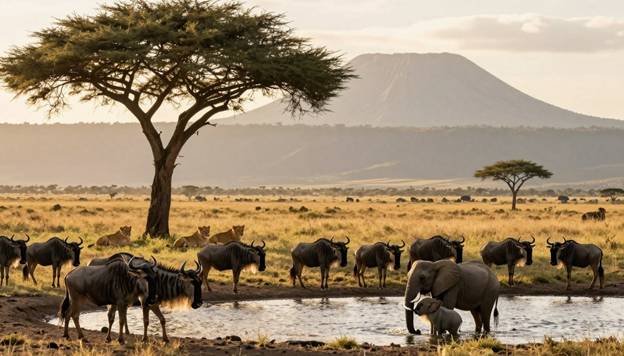
The black rhino is a rare and critically endangered animal in Africa. These majestic creatures hide in dense thickets, making them a prize for patient observers.
Conservationists work hard to track and protect them from poachers. Visiting protected zones increases your chance of seeing these rare animals.
Endemic Species of the Tanzanian Highlands
The Tanzanian highlands are home to unique species found nowhere else. These areas have special microclimates that support rare plants and small mammals.
Visitors should look closely at the landscape during treks. The ngorongoro conservation area wildlife includes rare birds and amphibians. Protecting these species is a major goal for local and international efforts.
Luxury Safari Experiences and Sustainable Tourism
Traveling to the wild is changing, mixing luxury with care for the planet. Today, luxury safari experiences focus on keeping the environment healthy, just like they do on the comfort of guests. This way, we help protect Tanzania’s amazing landscapes for the future.
High-End Lodging and Low-Impact Footprints
Modern lodges are built to live in peace with nature. They use innovative solar power systems and advanced water filters to keep their impact small. These lodges are made from local, green materials, blending into the savannah.
These lodges also work hard to reduce waste and support local businesses. They buy food from nearby towns, cutting down on emissions and helping the local economy. This way, we get to enjoy top-notch services without harming the environment.
“True luxury in the wilderness is defined by the ability to witness nature undisturbed, knowing that our visit actively contributes to its protection for future generations.”
The Role of Private Concessions
Private concessions are key to saving Tanzania’s nature. These areas are managed for conservation, with fewer visitors to avoid overuse. Luxury safari experiences help fund these areas, supporting anti-poaching efforts and habitat care.
These exclusive spots create a safe space for wildlife, letting them move freely. With fewer vehicles, animals feel less stressed. It’s a smart way to keep the wild, wild.
| Feature | Standard Tourism | Sustainable Luxury |
| Energy Source | Diesel Generators | Solar & Hybrid Systems |
| Waste Management | Basic Disposal | Zero-Waste Initiatives |
| Land Impact | High Density | Low-Impact Concessions |
| Community Benefit | Minimal | Direct Investment |
The shift in travel in Tanzania shows we can have luxury and protect the planet. By choosing eco-friendly tours, we make our trips count for conservation worldwide.
Conservation Efforts Tanzania Success Stories
Tanzania has seen a big change in wildlife numbers thanks to strong conservation efforts over the last ten years. These efforts have helped many famous animals, keeping the savannah’s beauty alive for future generations. Tanzania’s focus on the ecosystem’s health is a model for protecting wildlife worldwide.
Anti-Poaching Initiatives
Modern tech is key in fighting against poaching. Rangers use drones and satellite tracking to watch over animals in real-time. These proactive measures have greatly lowered threats to elephants and lions.
Well-trained patrol teams also play a big role. They work hard in remote places to protect habitats and break up poaching groups. Their hard work is crucial for the safety of wildlife today.
Community-Led Conservation Programs
Local people are the best protectors of their natural world. Community-led programs make sure they benefit from wildlife. This changes their views, making them passionate stewards of the land.
These programs also link up with luxury safari experiences. Money from these trips helps fund schools, clinics, and more. This way, tourism supports both people and nature, showing that growth and protection can go hand in hand.
The success of these efforts comes from working together. Governments, private groups, and local communities must join forces. This shared responsibility ensures a future where animals and people can live together. This approach is the best way to protect Tanzania’s unique wildlife and nature.
Logistics of Adventure Travel Tanzania
Choosing adventure travel Tanzania means you’re ready for a challenge. The vast wilderness is beautiful but requires careful planning. Knowing the basics of the bush is key to a great trip.
“The real voyage of discovery consists not in seeking new landscapes, but in having new eyes.”
— Marcel Proust
Navigating Remote Landscapes
Traveling in Tanzania’s bush means long rides on rough roads. Be ready for sudden changes in weather and terrain. Reliable 4x4s and skilled drivers are crucial for safety.
Carry extra water and repair kits for remote trips. Being prepared lets you enjoy the wildlife more. Good planning turns challenges into exciting parts of your adventure travel Tanzania story.
Essential Gear for Wildlife Photography
For great wildlife photos, you need more than a good eye. Use a telephoto lens, like 400mm or higher, to get close without disturbing animals. A sturdy beanbag or monopod helps keep your camera steady.
Dust is everywhere in the savannah. Protect your gear with covers and cleaning kits. Always have extra batteries and memory cards, as power can be limited. With the right equipment, your adventure travel Tanzania will yield amazing photos.
Comparing Guided Safari Tours and Self-Drive Options
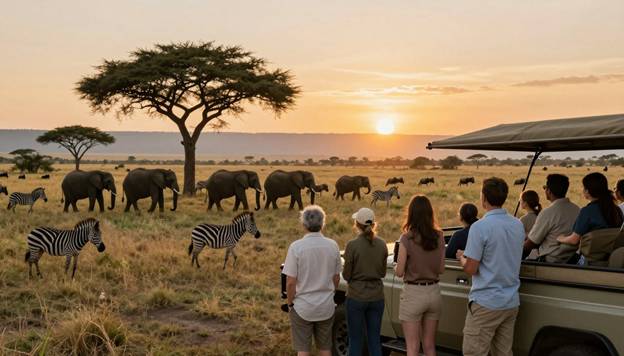
Tanzania’s vast landscapes offer two main ways to explore: self-drive safaris or guided safari tours. Each way gives a unique view of nature but needs different preparation and knowledge. Knowing these differences is key for planning wildlife tours in Africa.
The Value of Expert Local Guides
Professional guides add a lot to your safari. They can spot animals and birds that you might miss. Expert local guides know the terrain and when to find animals, making sure you see the best.
These guides also teach you about animals and their habitats. By choosing guided safari tours, you learn a lot. You can relax and enjoy the scenery without worrying about finding animals.
Safety Considerations for Independent Travelers
Self-drive safaris give you freedom, but also big safety and navigation challenges. Tanzania’s parks have tough roads that need special skills to navigate. Independent travelers must handle car issues and plan routes in areas with no internet.
Meeting dangerous animals is another big risk for solo travelers. Guides know how to stay safe and keep a distance. If you want a safe and easy trip, wildlife tours in Africa with guides is the best choice.
Seasonal Variations in Wildlife Viewing
The time you visit greatly affects the animals in Tanzania safari experiences you’ll have. Nature has its own rhythm. Knowing these changes helps plan a trip that suits your interests.
The Dry Season Advantage
The dry months, from June to October, change the landscape a lot. With water sources gone, animals gather at rivers and water holes. This makes spotting predators and big mammals easy.
The less greenery also helps photographers and wildlife lovers see better. Choosing guided safari tours during this time means you get expert guides. They know where to find animals. It’s the best time for classic game viewing.
The Green Season and Calving Period
The green season, from November to May, brings rains that make the savannah green and lively. It’s great for birdwatchers, with many migratory birds around. The scenery is stunning, perfect for photos.
Visiting early in the year is special for the calving period. You’ll see thousands of wildebeest calves born. This draws predators, creating intense and unforgettable scenes.
| Season | Key Benefit | Best For |
| Dry Season | High Visibility | Big Five Spotting |
| Green Season | Lush Scenery | Birding & Calving |
| Shoulder Season | Fewer Crowds | Value & Privacy |
Selecting the Right African Safari Packages
Choosing the right african safari packages is key for a great trip. Planning a safari means picking the right dates and lodges. Working with trusted operators ensures everything is taken care of.
Customizing Your Itinerary
Your trip should match your interests and travel style. Focus on a few key areas for a deeper connection with nature and wildlife.
Think about these when planning your trip:
- Park Selection: Pick parks based on your animal or landscape interests.
- Activity Level: Choose between relaxed game drives or active walking safaris.
- Pace of Travel: Include downtime to enjoy your surroundings.
Budgeting for an Unforgettable Adventure
Setting a realistic budget is crucial for a worry-free trip. When searching for the best safari tanzania experience, remember quality service and access are key. Clear pricing from your operator helps avoid hidden costs.
Here are some budgeting tips:
- Focus on your “must-have” experiences, like private guides or bush flights.
- Find out what’s included, like park fees, meals, and transfers.
- Consider traveling during shoulder months for savings without losing quality.
Your aim is to create a memorable journey within your budget. By choosing top-notch african safari packages, you invest in lasting memories. With careful planning, your best safari tanzania trip will be rewarding and tailored to your needs.
The Economic Impact of Wildlife Tourism
The financial impact of safari tourism goes beyond national parks. Every trip into the wild helps national development. Travelers’ money supports entire regions.
Supporting Local Economies
Tourism money helps improve infrastructure in remote areas. Serengeti national park tours fund roads, schools, and clinics. These are key for community well-being near wildlife zones.
Education is a big focus for these investments. Tourism funds scholarships and vocational training. This symbiotic relationship helps locals benefit from their natural heritage.
“Tourism is the most effective tool we have to turn wildlife into a sustainable asset for the people who live alongside it.”
The Future of Wildlife-Based Revenue
For a stable future, we need sustainable practices. Strong conservation efforts tanzania keep biodiversity. Without these, tourism would fail.
The future is in low-impact, high-value tourism. Serengeti national park tours should focus on quality over quantity. This reduces environmental harm and boosts local income.
The success of conservation efforts tanzania relies on responsible travel. Investing in these programs ensures a bright future for wildlife and people. Our choices shape tomorrow’s landscape.
Conclusion
Tanzania is a unique window into the natural world’s raw beauty. Our exploration shows why it’s a top choice for authentic wildlife encounters. Protecting these landscapes ensures future generations see the same majesty we do today.
We urge you to choose sustainable practices for your next adventure in Tanzania. Pick operators that support local communities and conservation. Your travel choices affect these delicate ecosystems’ health.
Choosing the right safari package needs careful thought about timing and impact. Expert advice helps you explore the vast plains without harming the land. We hope this guide helps you make informed decisions for your journey.
Your visit helps wildlife protection programs in the Serengeti and beyond. We invite you to experience Tanzania’s wilderness with a commitment to stewardship. Start your journey today and help keep these wild spaces thriving.
FAQ
What makes this the best safari Tanzania has to offer for wildlife enthusiasts?
Tanzania is known for its amazing wildlife. Over one-third of its land is protected. This creates a huge area where animals can roam freely. We see everything from volcanic highlands to open savannahs.
What can we expect to see during Serengeti National Park tours?
Our Serengeti tours offer a chance to see many animals. You’ll see huge herds of wildebeest. Also, lions, leopards, and over 500 bird species make it a must-see.
How does the Ngorongoro Conservation Area wildlife stay so abundant year-round?
The Ngorongoro Crater is a special place. It’s like a big, natural zoo. Animals like black rhinos and lions live here all year. The crater’s water and land keep them healthy.
Why should we choose guided safari tours instead of a self-drive adventure?
Guided tours are better. Local guides know where to find animals. They keep us safe and teach us about nature. It’s a better way to see wildlife.
What are the current conservation efforts Tanzania is implementing to protect its species?
Tanzania is working hard to protect animals. They focus on community programs and stopping poaching. This helps animals like elephants and lions.
How do we choose the right African safari packages for our needs?
Choosing a safari package is important. Mix the excitement of the Serengeti with Ngorongoro’s wonders. Pick operators who care about animals and local people.
Are luxury safari experiences compatible with environmental sustainability?
Yes, luxury safaris can be green. Places like Singita use less and help protect land. They also support jobs and keep areas wild.
When is the optimal time to book an animals in Tanzania safari?
The best time for a safari depends on what you want. The dry season is great for seeing animals. But the green season is best for birds and baby animals.
What gear do we need for adventure travel Tanzania and wildlife photography?
For Tanzania, you’ll need good binoculars and a camera with a long lens. Beanbags are better than tripods for taking photos from a moving car.
How does our visit impact the local economy and the future of wildlife?
Visiting helps local communities. It supports schools, health, and jobs. It’s a good way to help animals and people in Tanzania.